Blog
Utilizing Video Content in Marketing






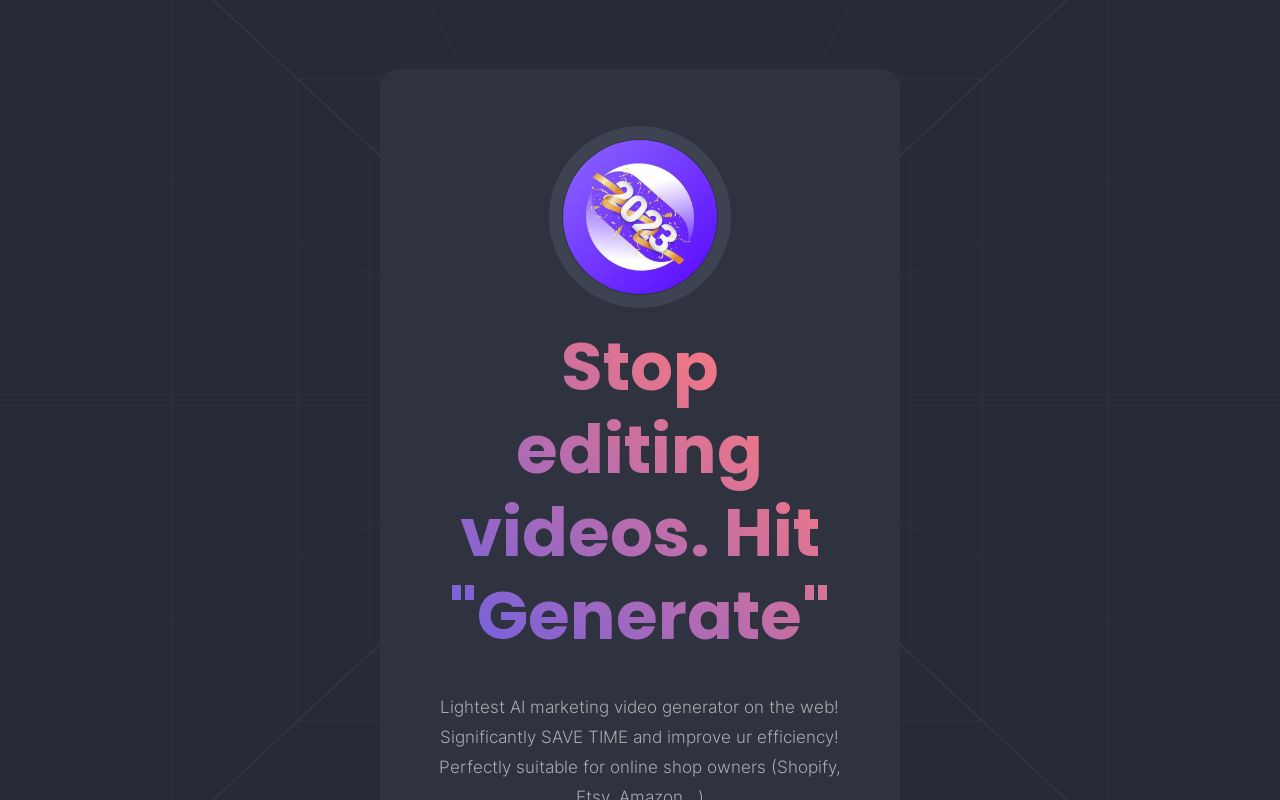
Boolvideo is a comprehensive platform designed to assist users in converting raw content into finished, audience-ready videos. Powered by AI, the platform intelligently examines materials to generate professional scripts, animate, edit, and produce videos of superior quality that are optimized for viewer engagement.
Cat:
Plan:
Paid
Price:
$9.00




Clippah is arguably the premier solution for creating and adapting videos for popular social media platforms. It simplifies the process of transforming YouTube videos into vertical TikTok formats, effortlessly converts long-form content into short-form clips with a single click, and seamlessly adds timestamps to YouTube videos.
Cat:
Plan:
Freemium
Price:


Cognitive Mill is a first-in-class, enterprise grade, specialized cognitive computing cloud service tailored for the media and entertainment sector. It streamlines various processes including editing, post-production, quality control, compliance reviews, anti-piracy measures, metadata enhancement, and scene categorization.
Cat:
Plan:
Paid
Price:


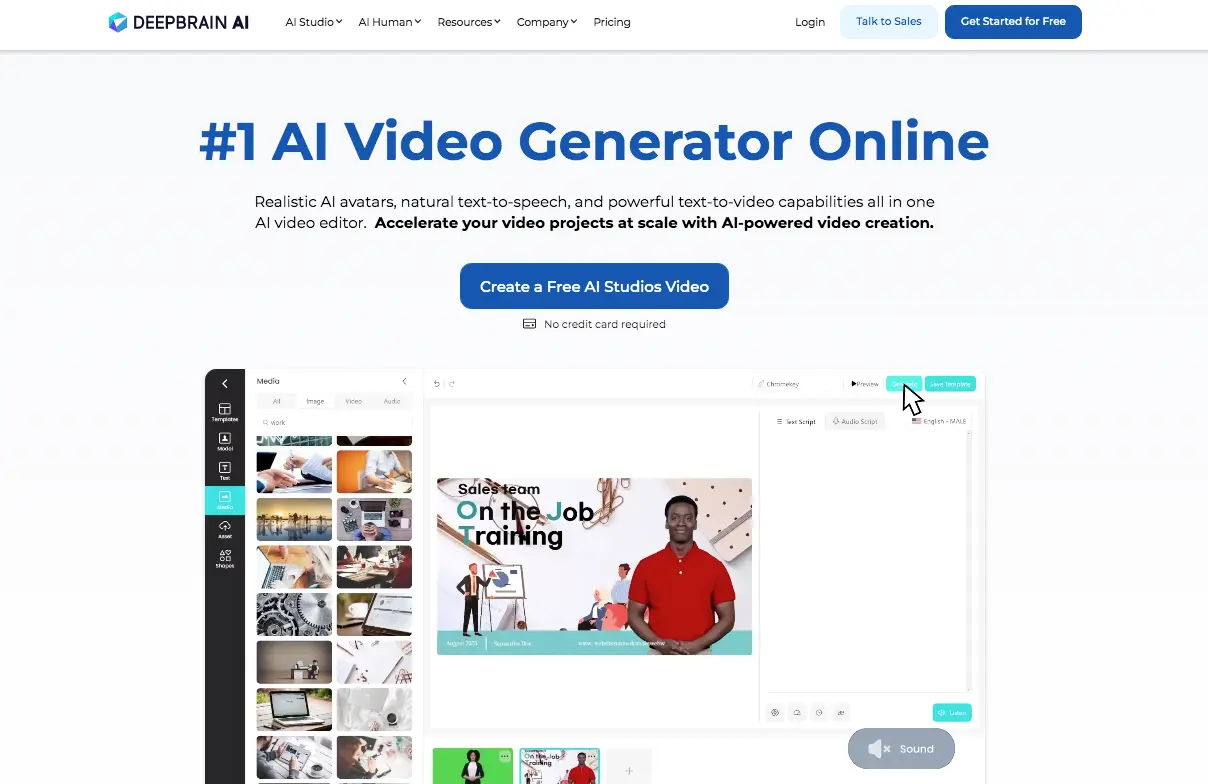




FlexClip is an effective online video creation tool that enables users to produce impressive videos for diverse applications. Despite its simplicity, its editing features are expertly executed, making it suitable for those seeking to enhance short video projects without extensive time commitment or filmmaking expertise.
Cat:
Plan:
Freemium, Paid
Price:
Fliki stands as an AI-enhanced tool designed to assist content creators in converting text into videos, complete with realistic voiceovers in any language. It boasts a comprehensive stock media library, alongside the capability for users to personalize subtitles with their unique branding. Turn your Tweet into a video to share as TikTok, Instagram Reel, Youtube Short and more.
Cat:
Plan:
Freemium
Price:
$21.00


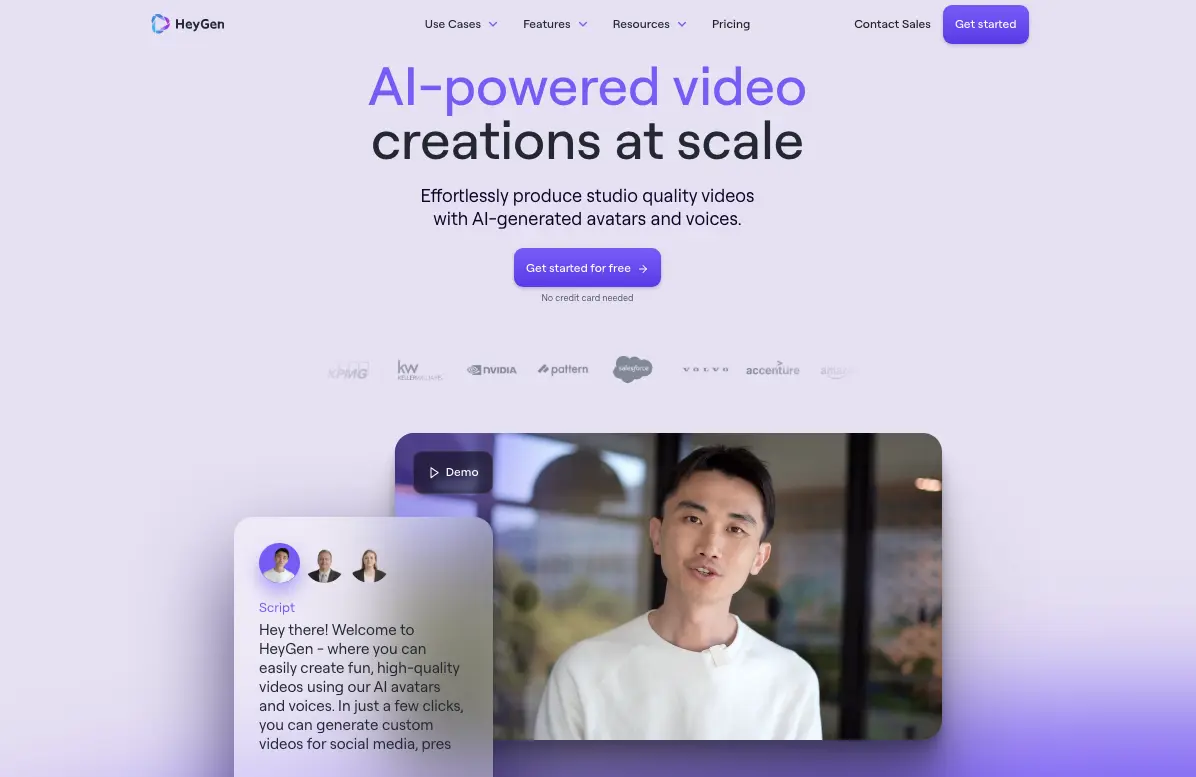

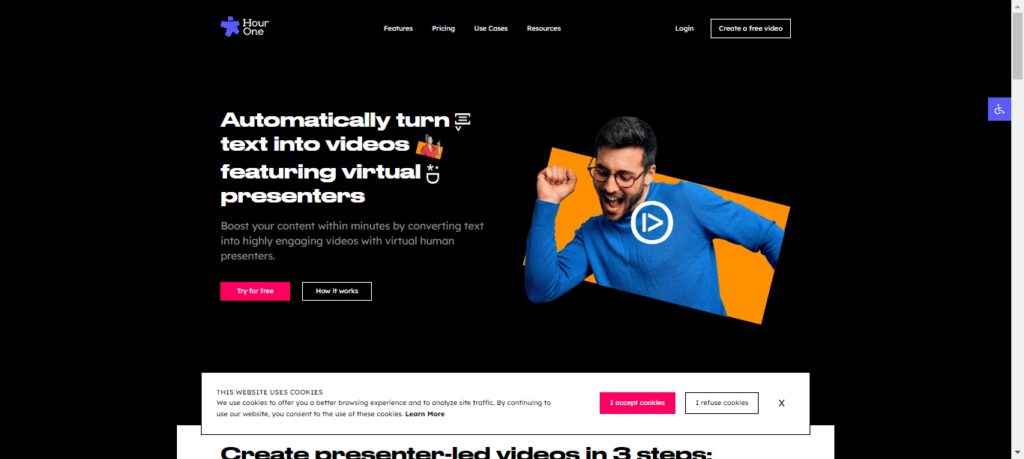


Lumen5 is a web-based video creation tool that empowers every team member to produce engaging video content swiftly and effortlessly. It incorporates AI technology to efficiently repurpose marketing materials, offers customizable templates to ensure content remains on brand, within budget, and delivered on schedule, and provides user-friendly video templates accessible even to novices.
Cat:
Plan:
Freemium
Price:
$19.00
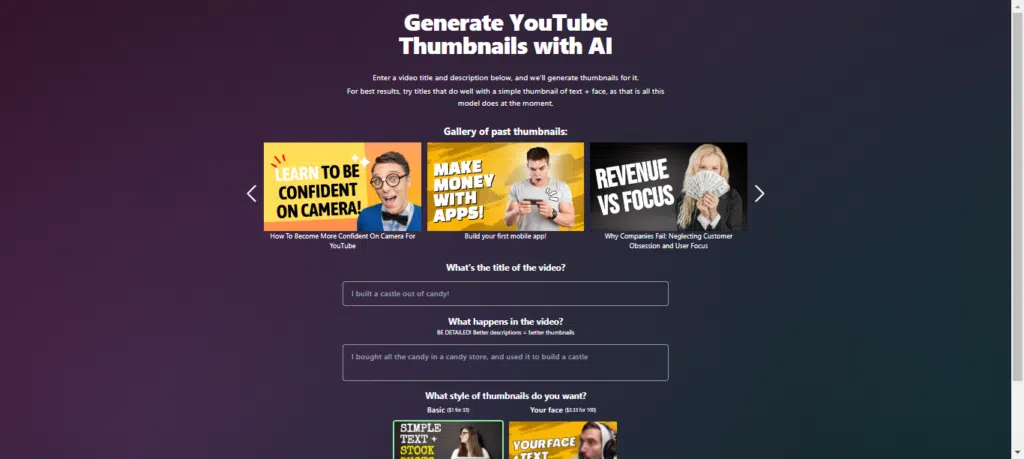




Munch is a versatile platform designed to empower content creators to amplify their reach, boost engagement, expand their audience, and enhance monetization opportunities. It lets you repurpose existing content into a many formats across various platforms, and also to analyze engagement metrics and manage monetization strategies effectively.
Cat:
Plan:
Free Trial, Paid
Price:
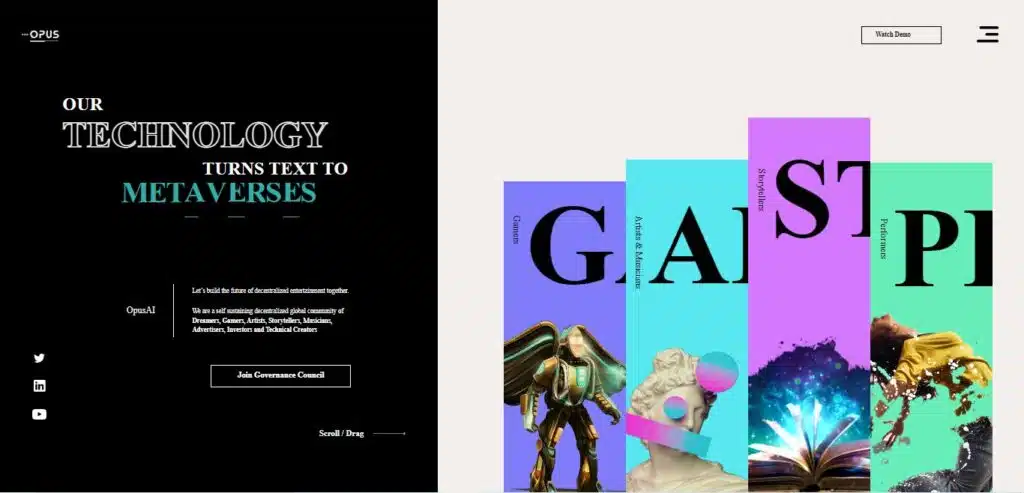


Papercup is a video localization platform that provides a seamless solution for users to transform their existing video content into multilingual versions through translation and voice over services. It automatically transcribes, translates, and generates voice overs that mimic human speech in quality.
Cat:
Plan:
Pre-Sale
Price:

Peech is a cutting-edge generative AI video platform , that facilitates the creation of engaging, high-quality videos. It is tailored for marketing teams. It boasts an automated editing workflow, a sophisticated content management library, auto-generated subtitles, and customizable branding options.
Cat:
Plan:
Free Trial
Price:
$49.00



Quickvid.ai leverages AI technology to revolutionize the process of creating professional-grade YouTube Shorts, enabling users to produce content at a speed 10 times faster than conventional methods. Loved by over 600,000 video creators, this generative platform simplifies short-form video production to a mere click.
Cat:
Plan:
Paid
Price:
$20.00


ReachOut.AI is a cutting-edge video personalization tool designed for entrepreneurs and teams who prioritize high response rates and swift prospect qualification without the hassle of producing individual videos. This platform enables the creation and distribution of personalized AI videos featuring lifelike digital avatars, all generated from simple text inputs within minutes.
Plan:
Paid
Price:
$249.00

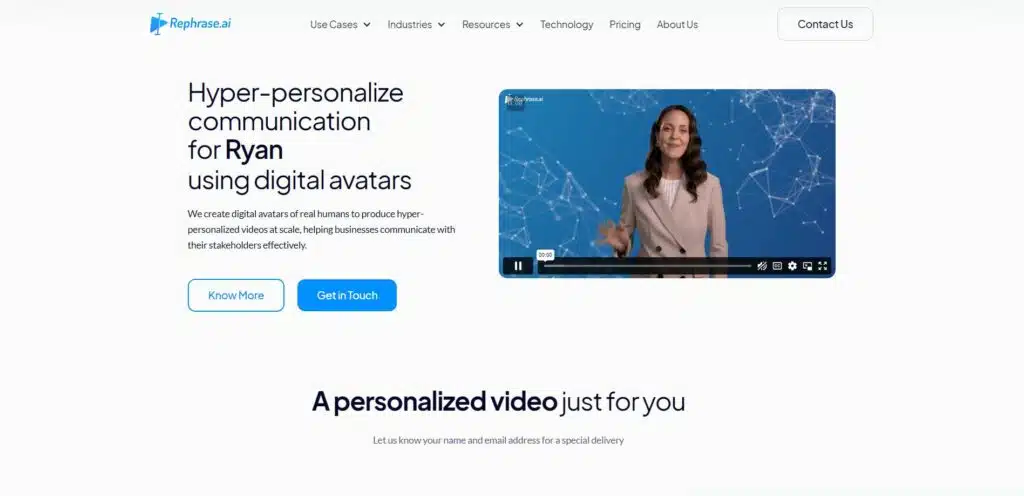


Rev.com offers transcription services for both audio and video, employing a network of skilled transcribers to ensure results with 99% accuracy. Professionals at Rev.com convert audio or video materials into text, enhance videos with English captions, and translate on-screen subtitles for a global reach.
Cat:
Plan:
Paid
Price:
$0.25

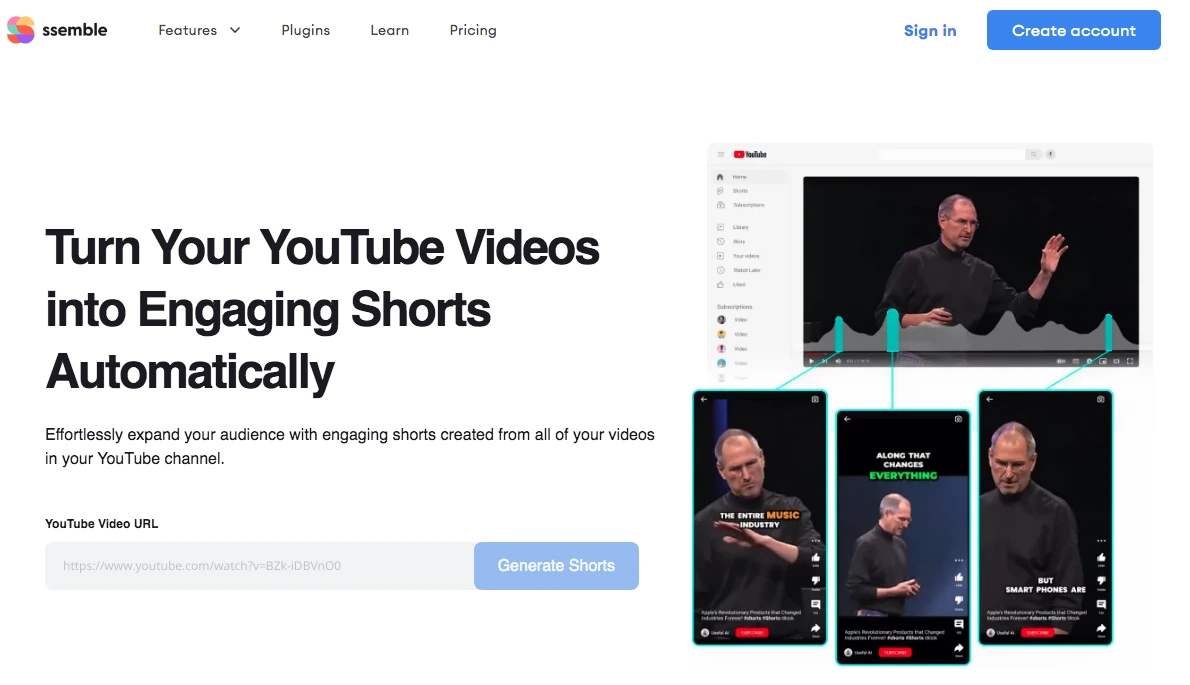
Ssemble revolutionizes the video editing landscape with its powerful online editor, leveraging cutting-edge AI technologies and resources to simplify video editing workflow. It provides core editing functionalities such as trimming, splitting, zooming in/out, in addition to an array of transition effects and visual effects (VFX).
Cat:
Plan:
Price:
$24.00

Steve AI is an AI-driven video creation tool tailored for social media and content marketers, enabling the production of both live and animated videos. With Steve AI, transforming blog posts, scripts, or any text content into short, engaging videos for social media platforms becomes a quick and effortless task.
Cat:
Plan:
Freemium
Price:
$15.00
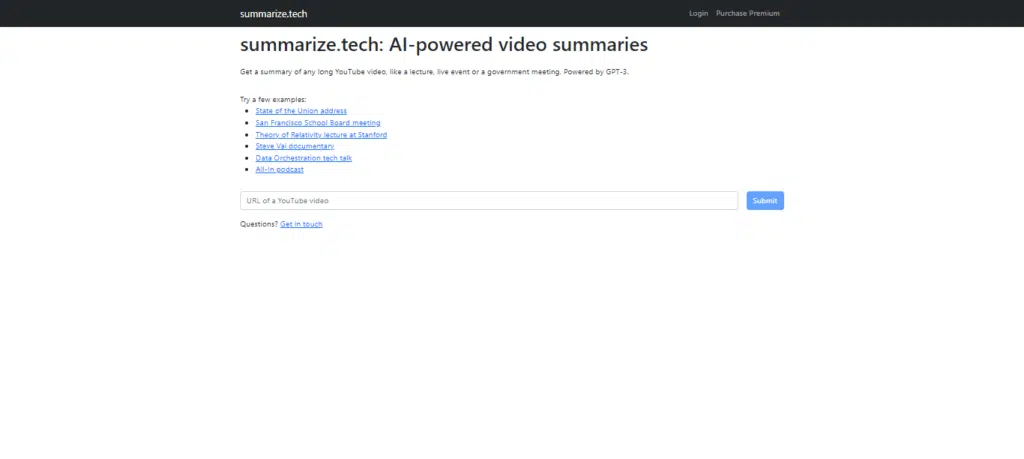
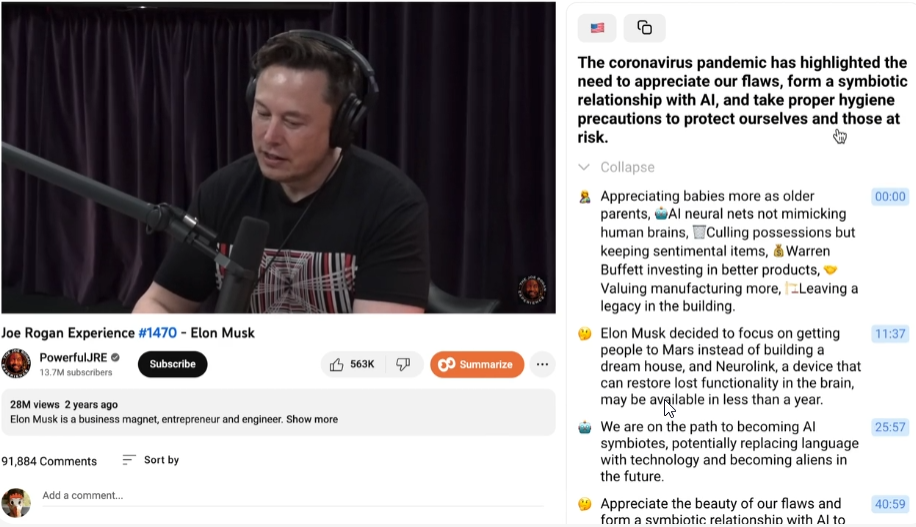
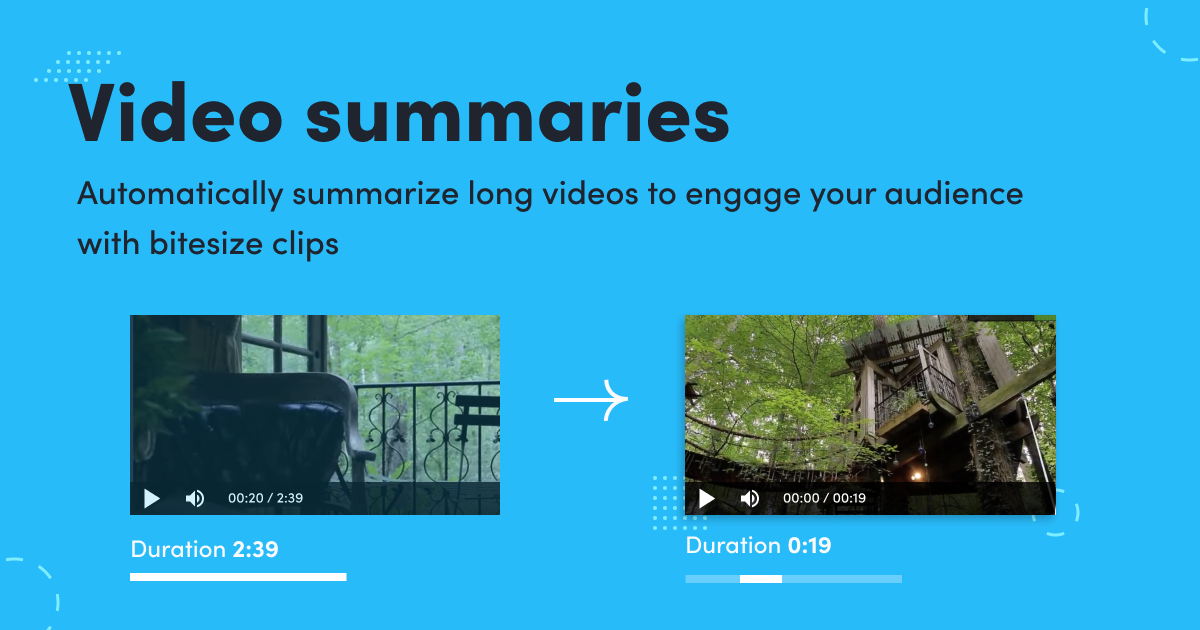
AI-driven video summaries offer an efficient solution for swiftly grasping the essence of any extended YouTube video. Whether it's a lecture, live event, or government meeting, these summaries provide a quick and comprehensive insight into the content, saving you the time and effort of watching the full video.
Cat:
Plan:
Free
Price:
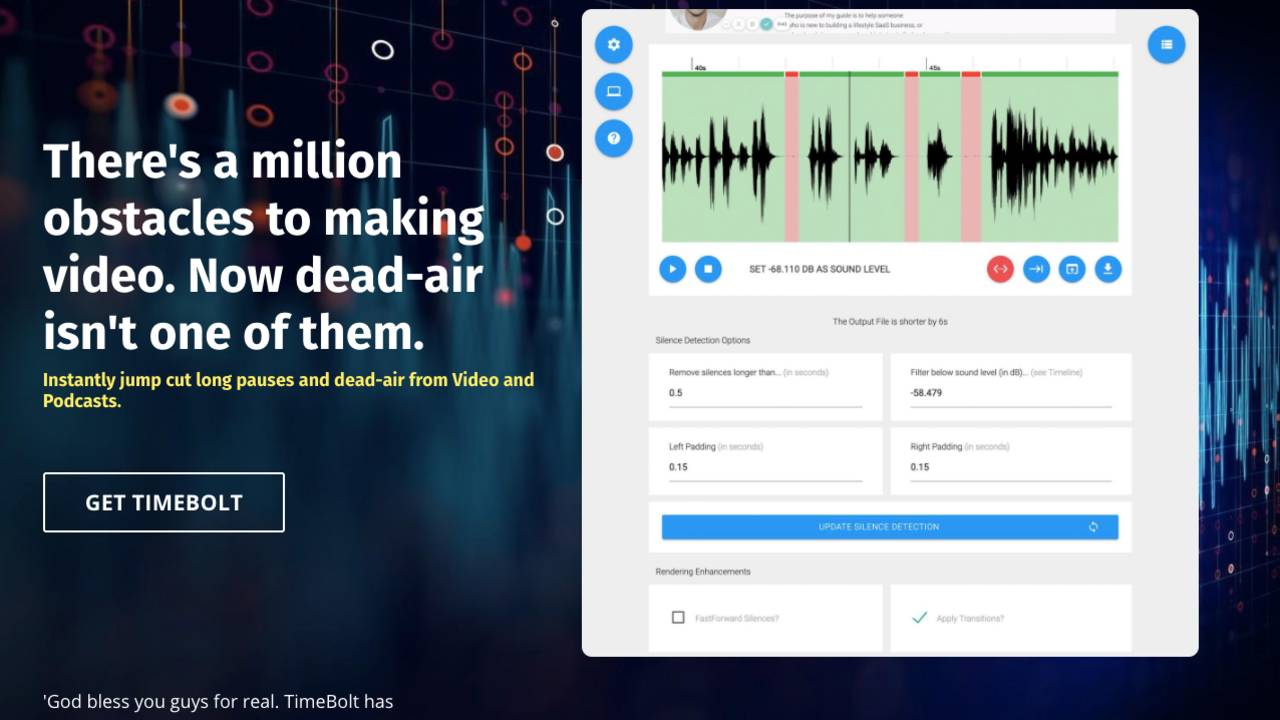
TimeBolt offers a swift and intelligent solution for editing long videos and podcast timelines, ensuring your content captures and retains audience attention. This rapid video editor excels at removing unwanted silence, accelerating scenes, and swiftly eliminating errors, transforming editing from a hours-long process into one that takes just seconds.
Cat:
Plan:
Freemium
Price:
$17.00



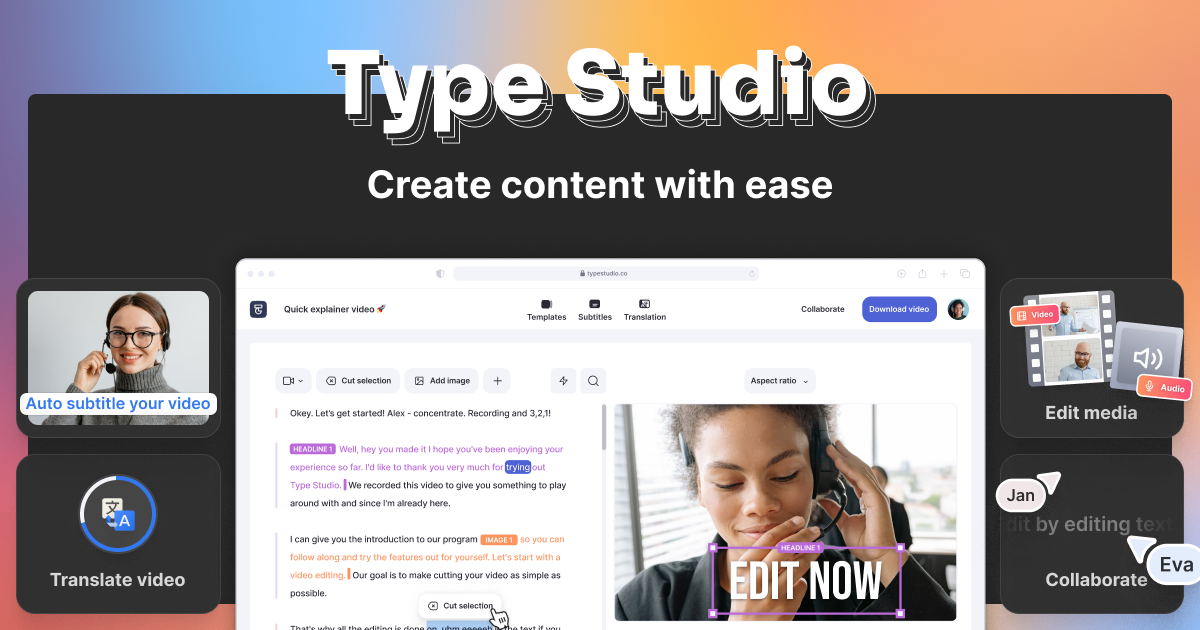
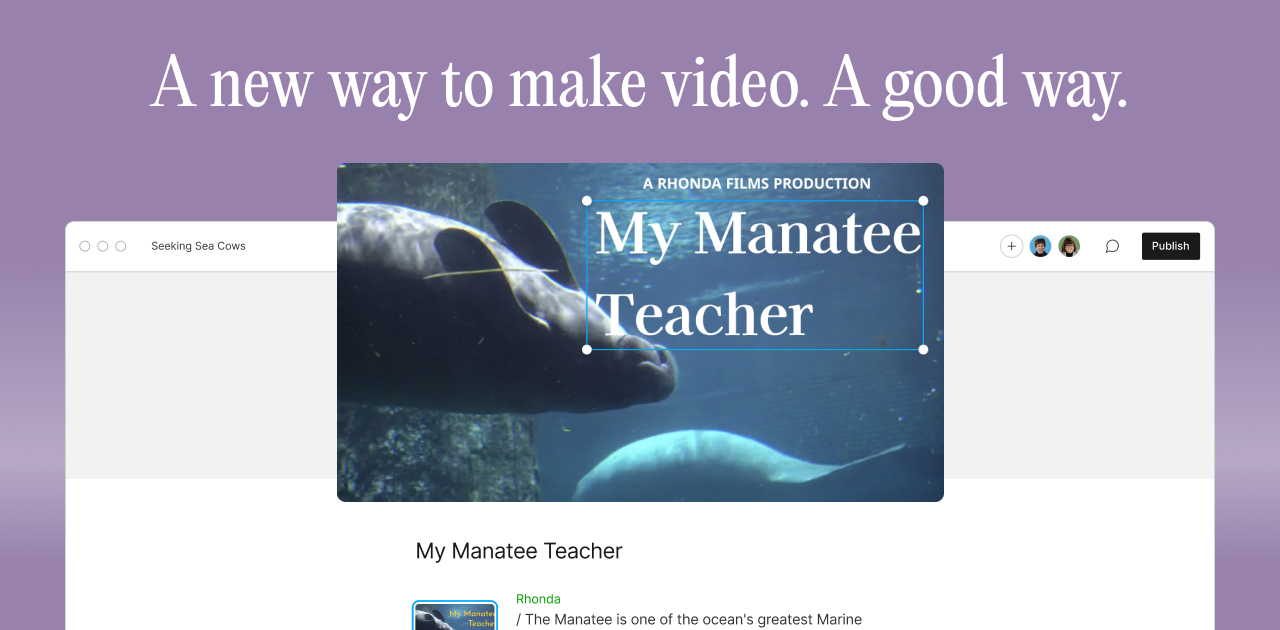
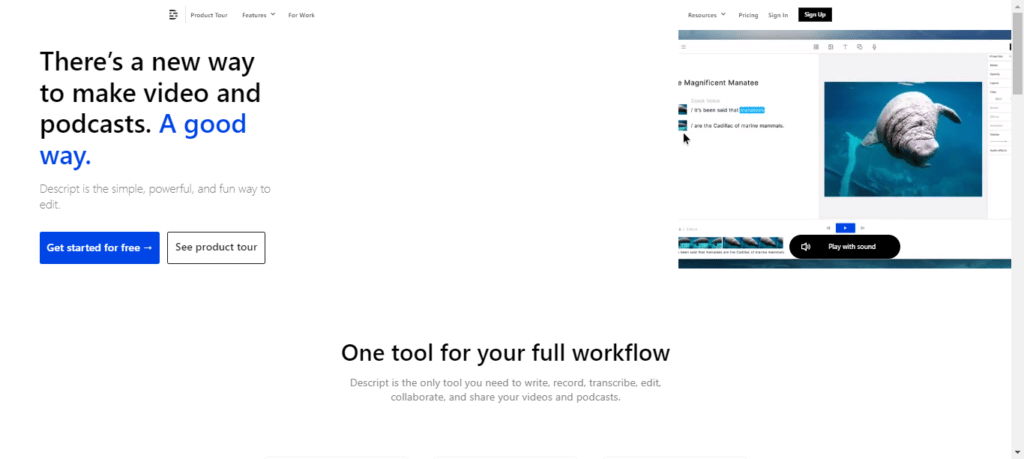
Type Studio is a web-based tool designed for automatic video text transcription and editing, enabling users to convert spoken words in videos into written text effortlessly. It provides a suite of functionalities including subtitling, adding images and text, recording features, and podcast editing capabilities.
Cat:
Plan:
Freemium
Price:
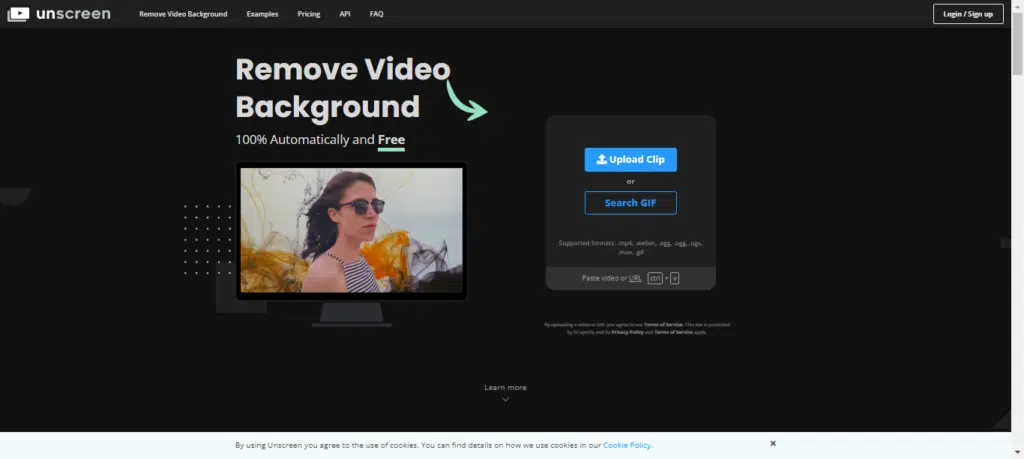
Unscreen is a web-based application designed to effortlessly remove backgrounds from videos and GIFs without the need for manual editing or pixel selection. It enables you to record footage in any setting and automatically eliminates the background, allowing you to concentrate on the video content itself.
Cat:
Plan:
Paid
Price:
$12.00

VEED.io is a web-based video editing platform designed to enable users to produce videos of professional quality with ease and efficiency. It features a comprehensive suite of tools, such as a video editor, screen recorder, and capabilities for subtitles and transcription, among others, allowing for the creation of polished videos.
Cat:
Plan:
Freemium
Price:
$16.00

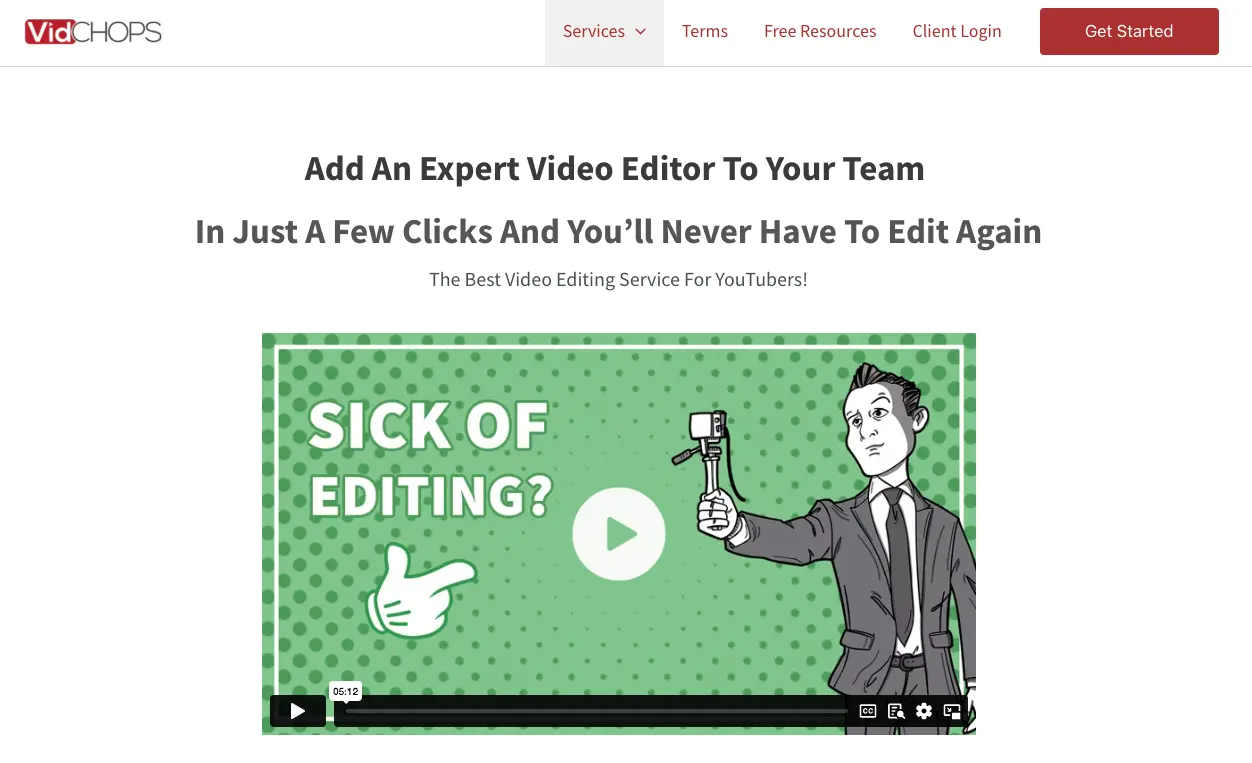


VidIQ is a Software-as-a-Service (SaaS) product created to assist YouTube content creators in discovering topics and keywords for their videos. It offers a range of Artificial Intelligence (AI) features, such as tailored suggestions for upcoming videos, an estimated view count, and predictive analytics.
Cat:
Plan:
Freemium
Price:
$5.00


Visla is a video creation and editing platform that simplifies the process of crafting engaging videos quickly and easily. It boasts AI-driven video generation features capable of creating captivating narratives and visually appealing content tailored to audiences. The platform encompasses a range of functionalities for editing, recording, team collaboration, and personalizing videos' tone and style.
Cat:
Plan:
Freemium
Price:
$19.00


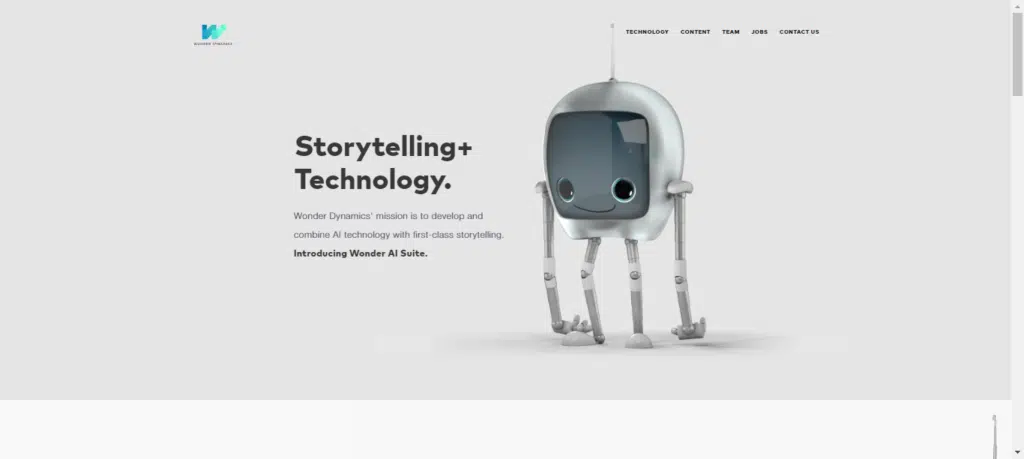
Wonder Studio is an AI-powered tool designed to seamlessly animate, light, and integrate CG characters into live-action scenes. This innovative technology simplifies the complex process of blending computer-generated imagery with real-world footage, ensuring that the characters are not only well-animated but also correctly lit and composed to match the live-action environment.
Cat:
Plan:
Paid
Price:
$16.99